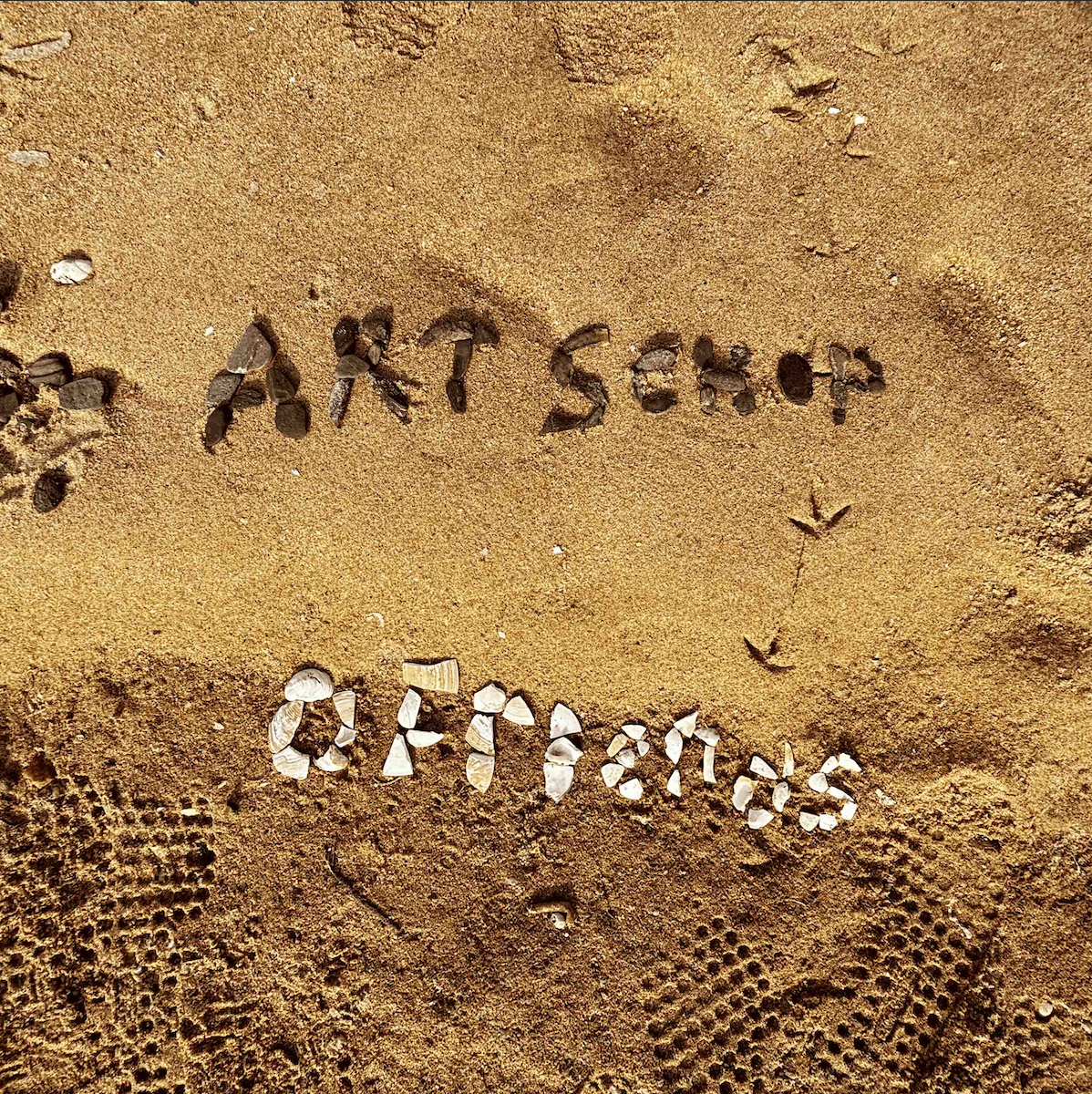
o friends feels like Martin Walker finally letting the walls come down. As Art Schop’s sixth album, it’s easily his most personal, and also his most unusual. Rather than a collection of standalone songs, the record unfolds like a single piece — a five-part symphony, each movement centred on a different friendship that has shaped Walker’s life.

The album drifts and shifts in a way that feels intentional but never rigid. Tempos stretch, dissolve, and reform. Melodies appear, vanish, and return slightly changed. At times it feels like a stream of consciousness, or a half-remembered dream where emotions surface before explanations do. Walker has avoided autobiography in the past, but here he leans into it fully, asking hard, quiet questions about friendship: what it really means, what gets missed over years, and what we only understand in hindsight. There’s a rawness to how o friends is put together. Much of it is built from layered improvisation, and you can hear Walker following feelings rather than structures. When words fall short, he lets sound take over — a fragile piano line, a distant electric guitar note hanging in the air. These moments don’t feel decorative; they feel necessary, like emotional gaps that language simply can’t fill.
If you’re familiar with Walker’s broader work — from the philosophical depth of The Fifth Hammer to the cosmic curiosity of Starguide — this album might feel like a turning inward. The thinking is still there, but it’s quieter, more personal, less interested in proving anything. The five pieces — Billy, George, Norm, Neil, and Jimi — aren’t portraits in the traditional sense. They feel more like emotional impressions, shaped by memory, affection, regret, and gratitude. o friends isn’t an easy or instantly accessible record, but it’s a deeply rewarding one. It asks for patience and attention, and in return it offers something rare: a sincere meditation on long-term connection, told without sentimentality or ego. It’s the sound of an artist trusting both his instincts and his listeners, and allowing vulnerability to lead the way.
Facebook, x, spotify, soundcloud, YouTube, Instagram
About the Author





 English