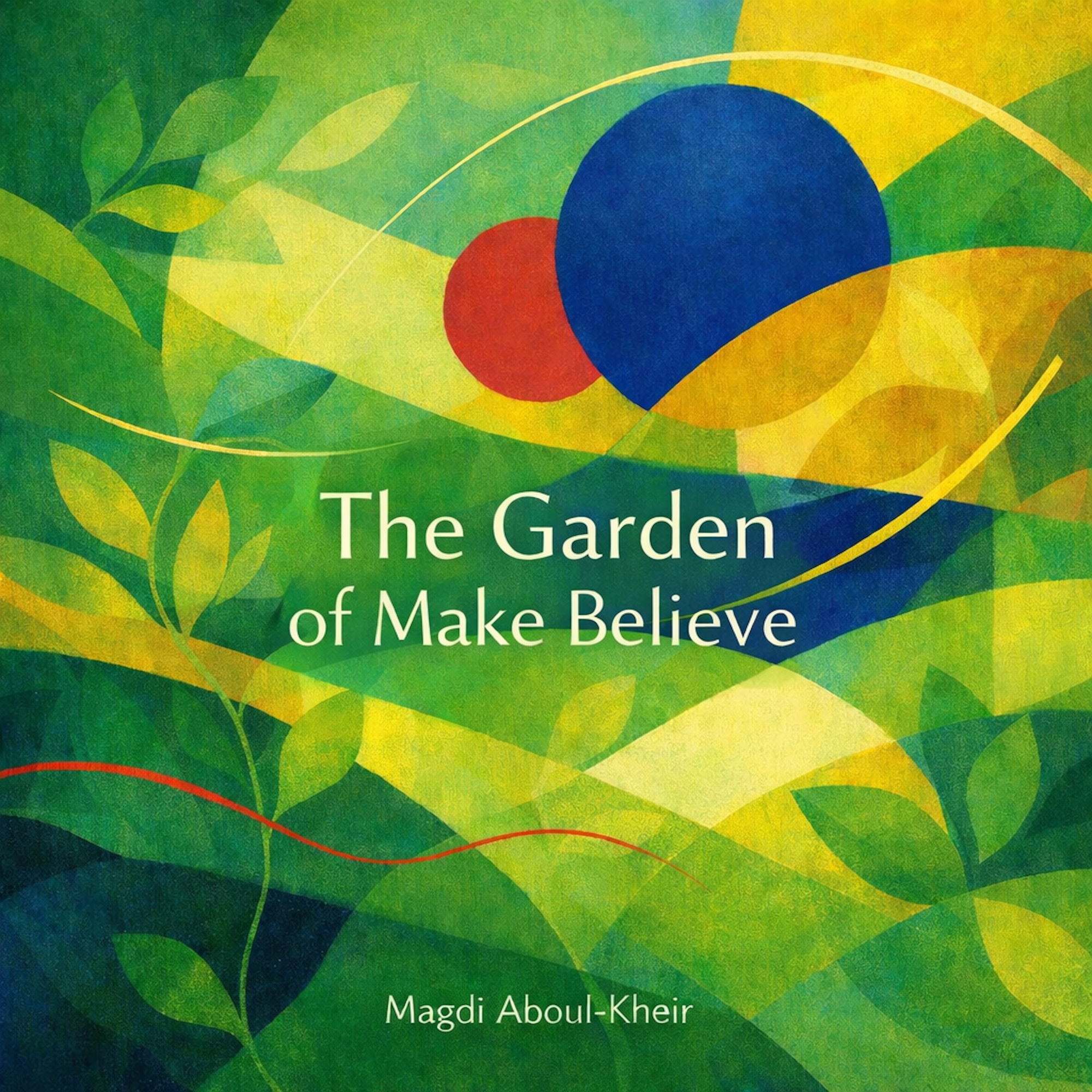
There’s something unapologetically sincere about The Garden of Make Believe. In an era where cinematic orchestration is often buried beneath irony or digital excess, Magdi Aboul-Kheir leans fully into emotional romanticism without hesitation — and the result is an orchestral album that feels timeless, intimate, and deeply human.

Across ten emotionally resonant compositions, The Garden of Make Believe unfolds like a series of emotional paintings inspired by light, memory, nature, longing, and quiet introspection. These pieces aren’t written to impress through technical spectacle alone, though the craftsmanship is undeniable. Instead, they aim for emotional immersion. Strings swell with tenderness, piano passages drift with reflective elegance, and orchestral textures bloom slowly, allowing feeling to guide the movement rather than rigid structure. The album carries the spirit of late Romantic classical tradition while maintaining enough cinematic openness to feel accessible for modern listeners. There are moments that feel touched by the emotional grandeur of film scores, others that resemble chamber music intimacy, and passages where silence itself becomes part of the composition. Throughout the album, Magdi Aboul-Kheir demonstrates a clear belief in melody as emotional language — a philosophy that anchors every piece.
What makes The Garden of Make Believe especially compelling is the sincerity behind it. Nothing here feels emotionally detached or academically cold. Magdi Aboul-Kheir composes with visible affection for beauty itself — beauty in nature, human connection, nostalgia, and emotional vulnerability. That sensitivity gives the album its emotional weight. Even the quieter arrangements carry a strong sense of inner movement, as though each composition exists somewhere between memory and dream. You can also hear the influence of the composer’s broad musical background, stretching from baroque and romantic classical traditions to ambient music, synth textures, jazz phrasing, and even modern cinematic minimalism. Yet despite those influences, the album never feels stylistically scattered. Everything is unified by atmosphere and emotional intention. It’s music designed not simply to be heard, but to be inhabited for a while. In a cultural moment dominated by hyper-compressed immediacy, The Garden of Make Believe instead invites patience, stillness, and emotional reflection.
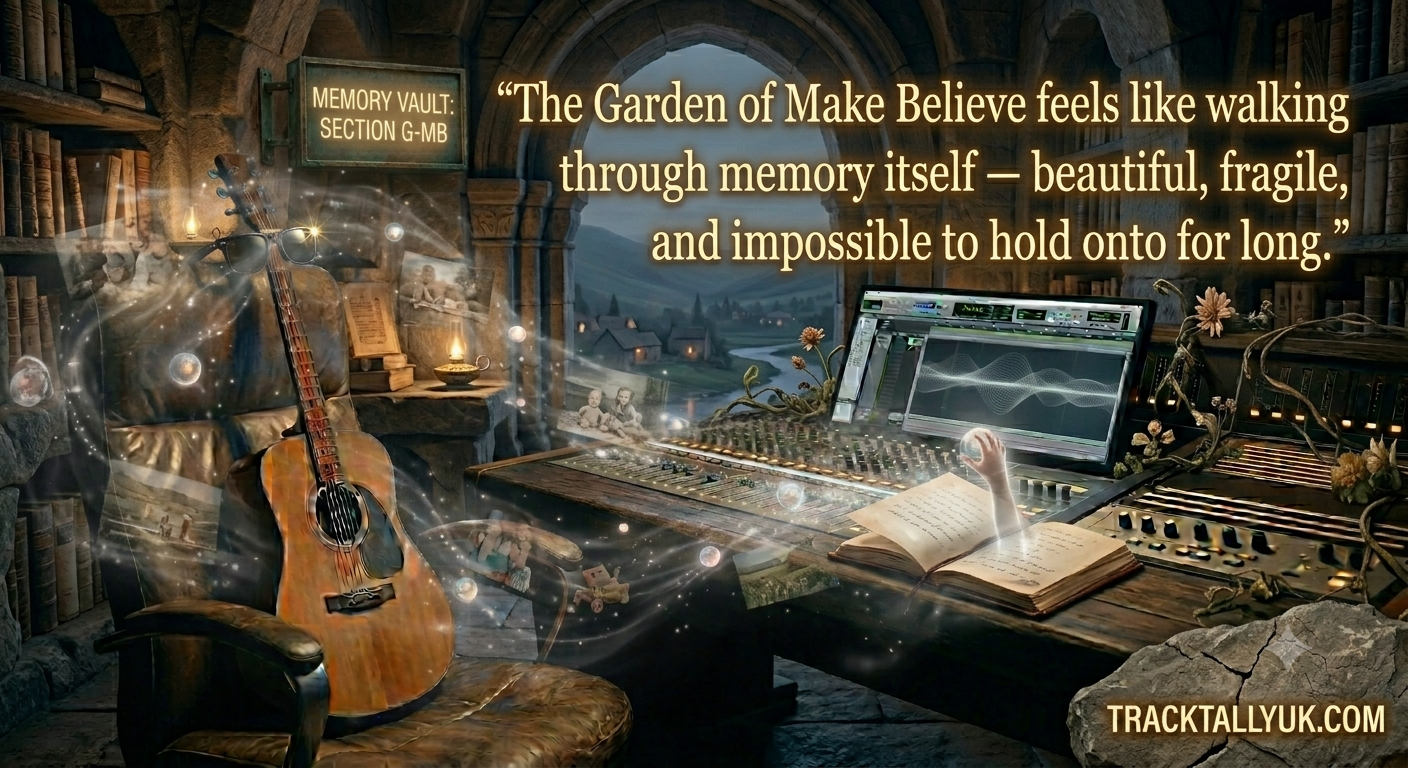
With previous releases spanning ambient electronics, retro-synth worlds, minimal piano compositions, and electro-acoustic experimentation, Magdi Aboul-Kheir continues to prove himself an artist driven more by emotional curiosity than genre limitations. But The Garden of Make Believe may be one of his most emotionally complete works yet — an album where orchestral composition becomes a space for vulnerability rather than grandeur alone. It’s romantic in the truest sense of the word: not sentimental, but emotionally fearless. For listeners drawn toward neoclassical composition, cinematic orchestration, and deeply melodic instrumental storytelling, the album offers a rich and immersive experience that lingers long after the final note fades.
Follow Magdi Aboul-Kheir:
About the Author



 English