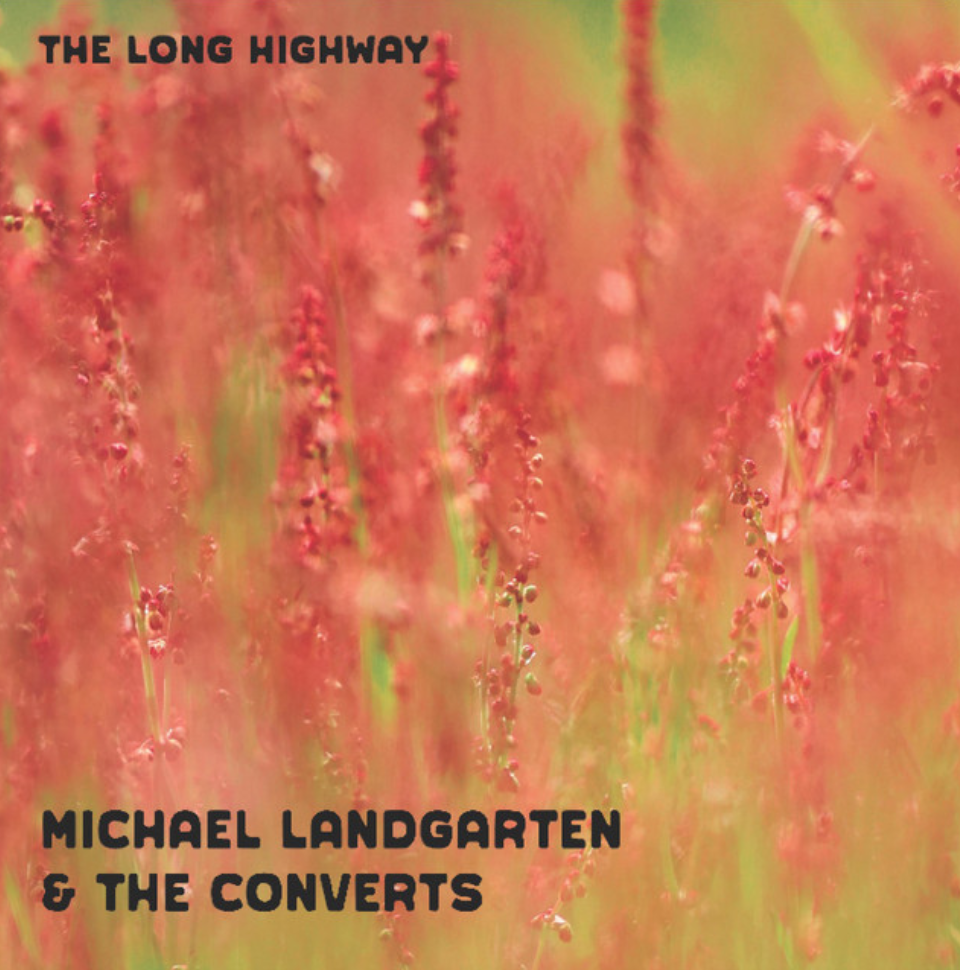
Michael Landgarten’s The Long Highway is an album that sits firmly in the lineage of American roots storytelling while resisting easy categorization, unfolding instead as a lived-in meditation on time, identity, and emotional reckoning. Through his work with The Converts, Landgarten extends a decades-long songwriting practice into a fully collaborative setting, where instinct and chemistry take precedence over polish. Recorded largely live in a barn studio in Maine, the album carries the natural imperfections of performance as part of its aesthetic identity, giving the songs a sense of immediacy that mirrors the emotional weight of their themes. Rather than presenting itself as a reinvention, it feels like a continuation—an artist deepening a conversation he has been having for years about love, loss, mortality, and meaning.
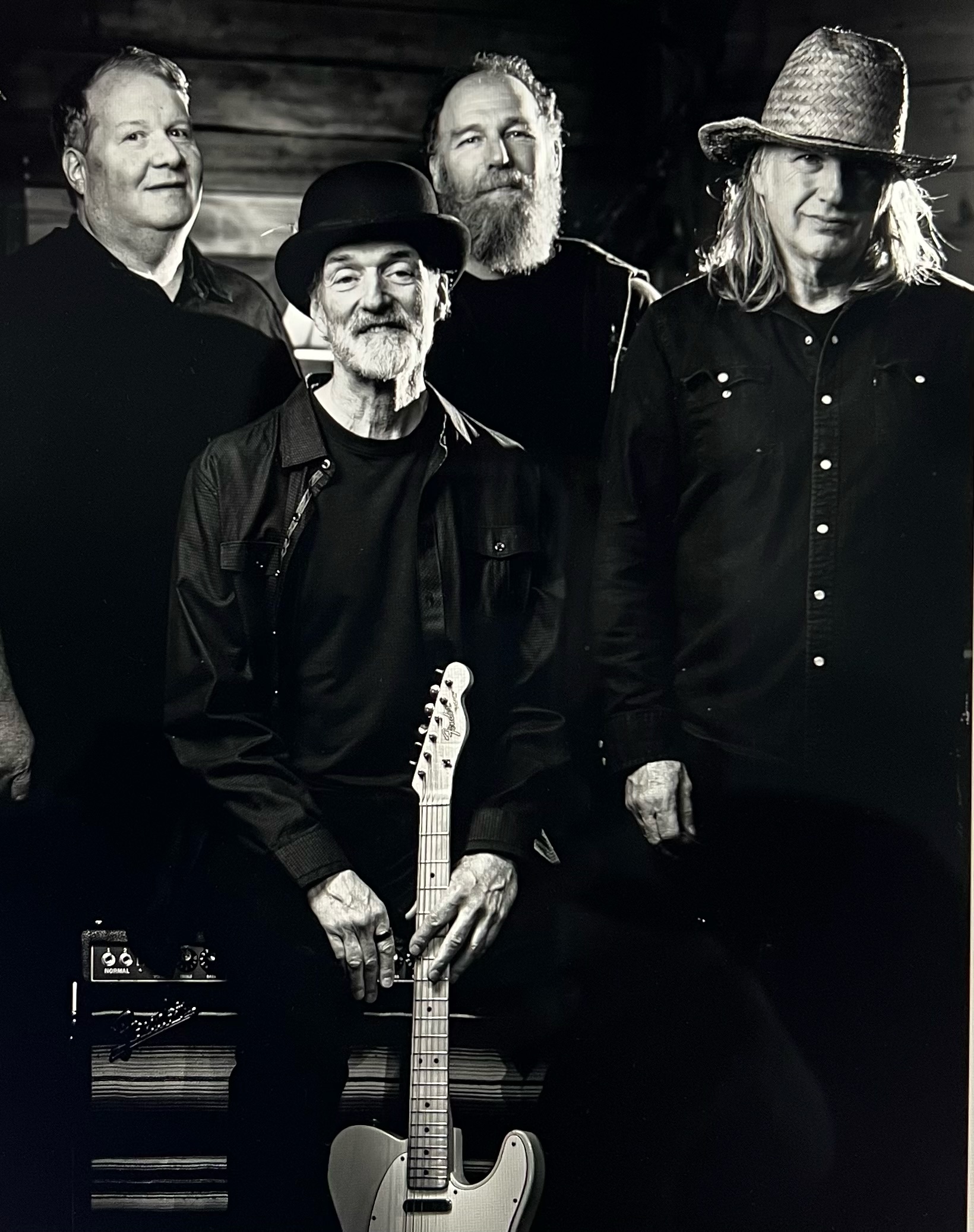
the album draws from a wide spectrum of American styles—heartland rock, folk, country soul, and a rough-edged indie grit that sometimes edges into what could loosely be called “grunge-ry.” The instrumentation, shaped by seasoned players from bands like Scissorfight, Elroy, Tiger Saw, and High Range, emphasizes interaction over precision, allowing songs to breathe and shift in real time. Tracks such as “The Long Highway” and “The Flow” anchor the record with its clearest thematic statements: one a confrontation with fate and mortality framed through the tension of external threat and internal acceptance, the other a reflection on presence, memory, and emotional release shaped by lived experience and travel. Across the album, songs like “Flying Ship,” “Aurora,” and “Wear Out My Name” expand these concerns into quieter, more impressionistic spaces, where narrative gives way to mood and reflection.
The Long Highway succeeds as a work of cohesion through atmosphere rather than strict narrative structure, unified by its willingness to sit with life’s larger questions without forcing resolution. As part of the work of Michael Landgarten and The Converts, it presents an artist not chasing reinvention but refinement—leaning into the weight of experience and allowing songs to unfold with patience and emotional clarity. The result is a record that feels grounded yet expansive, personal yet universal, carrying the sense of a journey still in progress rather than a destination already reached.
About the Author




 English