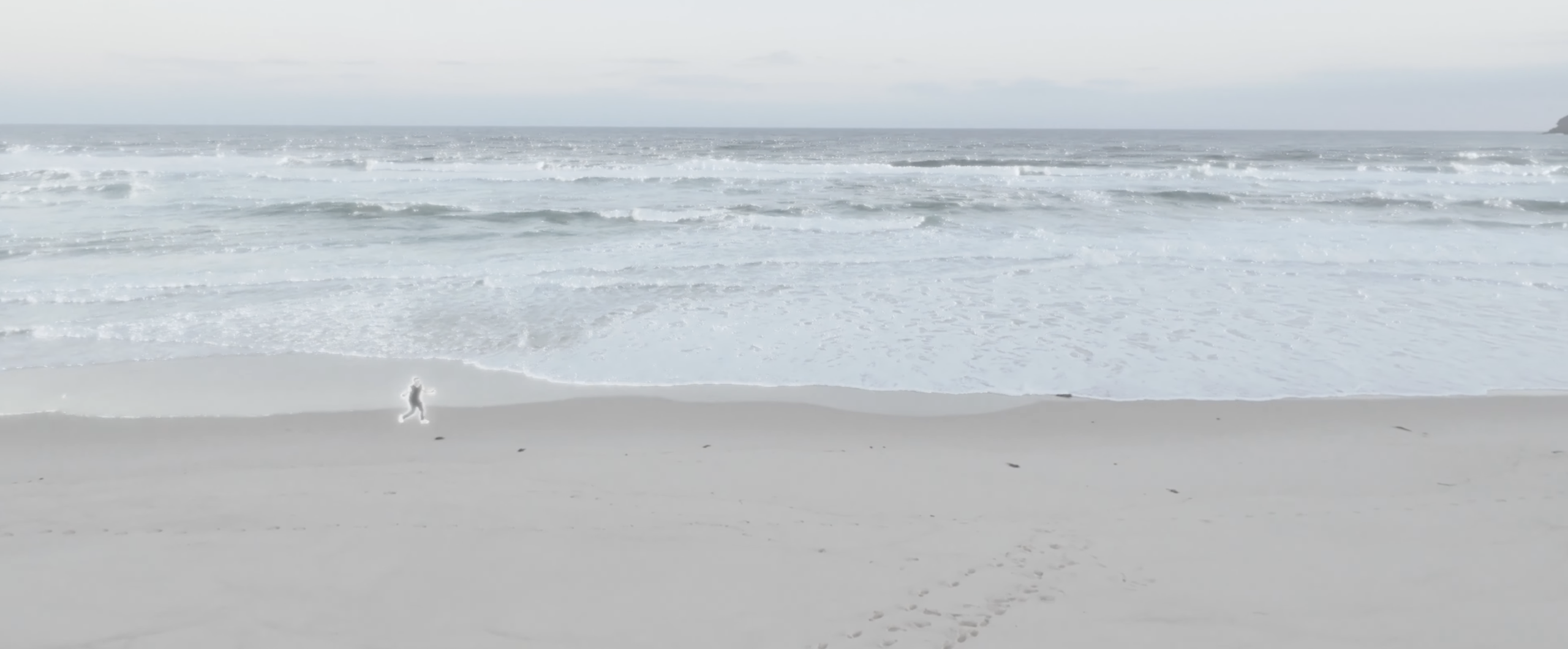
Some songs are written because an artist has a story to tell. Others are written because keeping that story inside becomes impossible. Jude Austin, O’s “Find Me at Home” belongs firmly in the second category. This deeply personal pop-alternative-blues track transforms a painful moment of confrontation, identity, and emotional displacement into an intimate piece of songwriting about the search for somewhere—and someone—you can finally call home. Written in 2021 alongside Anthony Snape, the song emerged just two weeks into Jude’s male transition, following a deeply difficult encounter with a relative after he had come out. In a single songwriting session, Jude translated that experience into lyrics and melody while Snape developed the driving chord progression. The result feels immediate rather than manufactured. There is an unmistakable sense that the song came from a moment when emotions were still raw. That history gives Find Me at Home its dark undertone. Beneath its alternative-pop accessibility lies a story about structures that restrict us, relationships that can make us question ourselves, and the courage required to move beyond them. The idea of “home” becomes something much larger than a physical place—it represents belonging, acceptance, identity, and the freedom to exist as one’s authentic self.
The vocal arrangement adds another fascinating dimension to the recording. The original song was written when Jude’s voice was still female, with Anthony providing a strong male lead alongside him. Years later, after extensive vocal retraining throughout Jude’s transition, he returned to the composition and self-produced it in 2025. That evolution is effectively embedded within the song itself, making the recording a snapshot of both the artist’s past and present. Find Me at Home occupies an intriguing space between alternative pop, blues and contemporary singer-songwriter music. The driving harmonic foundation gives the song forward motion, while the darker atmosphere prevents it from becoming overly polished or sentimental. There’s tension running through the arrangement, reflecting the uncertainty within the story, but also a sense of movement—as though the narrator is determined to find a way through.
Jude’s approach to production is particularly impressive considering the deeply personal nature of the material. Having developed his production skills through Ableton and dedicated himself to music performance, business, vocal production, and film scoring, he brings a distinctly hands-on approach to his work. The result is not simply a song about transformation; the production process itself reflects transformation. What makes Jude Austin, O especially interesting as an emerging artist is the breadth of his creative background. His professional career in film production and cinematography has placed him behind the camera for major artists and music productions, and that visual experience naturally feeds into an artistic project that already feels highly cinematic. His award-winning music video work further demonstrates that Jude understands storytelling as something that can exist across multiple artistic forms. But ultimately, Find Me at Home works because the emotional core is so direct. Jude doesn’t attempt to turn his experience into a neat inspirational narrative. Instead, he allows the uncertainty, pain, frustration, and longing to remain visible. That honesty gives the song its strength. For anyone who has ever felt misunderstood, displaced, or forced to defend the person they know themselves to be, Find Me at Home offers something powerful: not an easy answer, but companionship. It reminds us that sometimes finding home begins with refusing to abandon yourself. With a debut album planned for 2027 and a Kickstarter campaign scheduled for October 2026, Jude Austin, O is an artist worth watching. Find Me at Home introduces a songwriter with a distinctive voice, a compelling personal perspective, and the willingness to turn difficult experiences into something meaningful for others.
“Find Me at Home is more than a song about finding somewhere to belong—it is the sound of an artist reclaiming his voice and inviting others to find theirs.”
Connect with Jude Austin, O
About the Author




 English