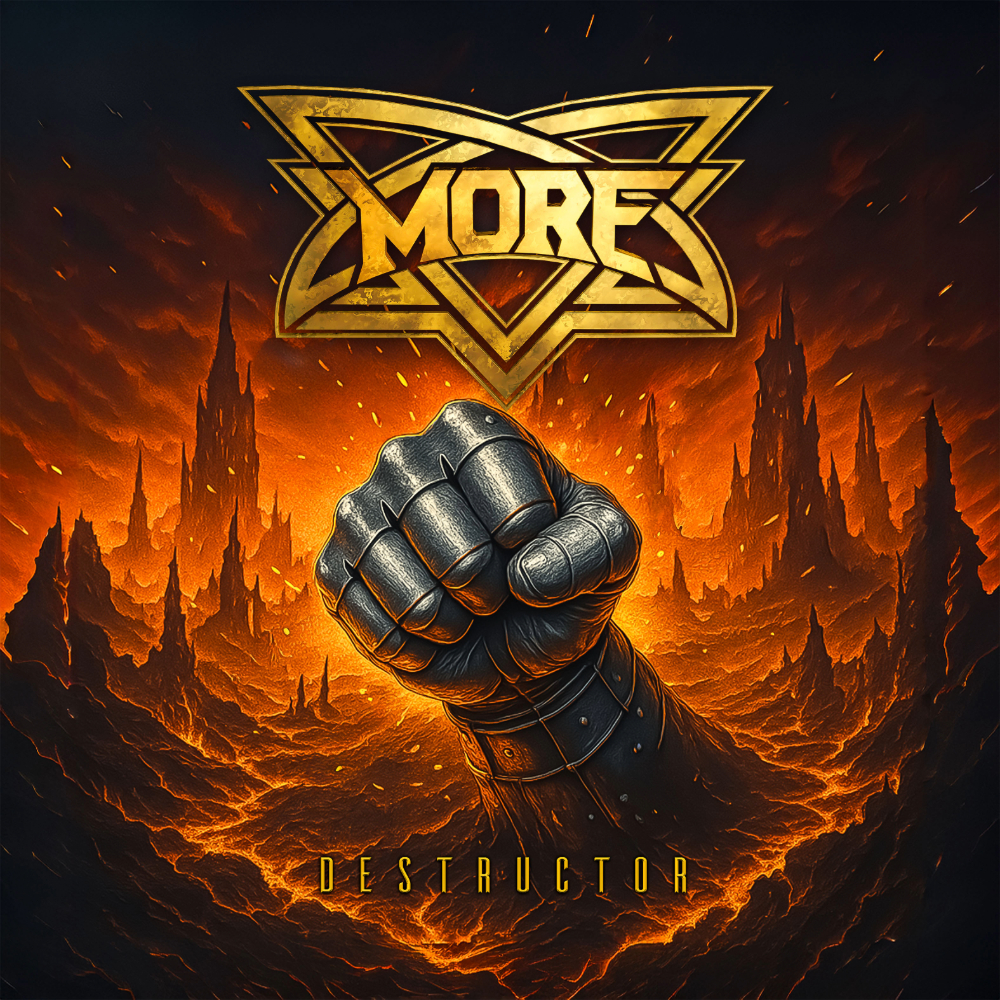
Veteran British heavy metal outfit MORE return with a thunderous statement in their long-awaited third album, Destructor. Decades after their early contributions to the New Wave of British Heavy Metal, the band prove they still possess the grit, volume, and defiant spirit that defined the genre’s golden era. Formed in London in 1979, MORE originally made their mark with albums like Warhead (1981) and Blood & Thunder (1982), sharing stages with bands such as Iron Maiden during the Killers era and appearing at the legendary Monsters of Rock. With Destructor, the band bridge past and present, delivering a record that honours the raw energy of classic metal while embracing a heavier, more modern sound.
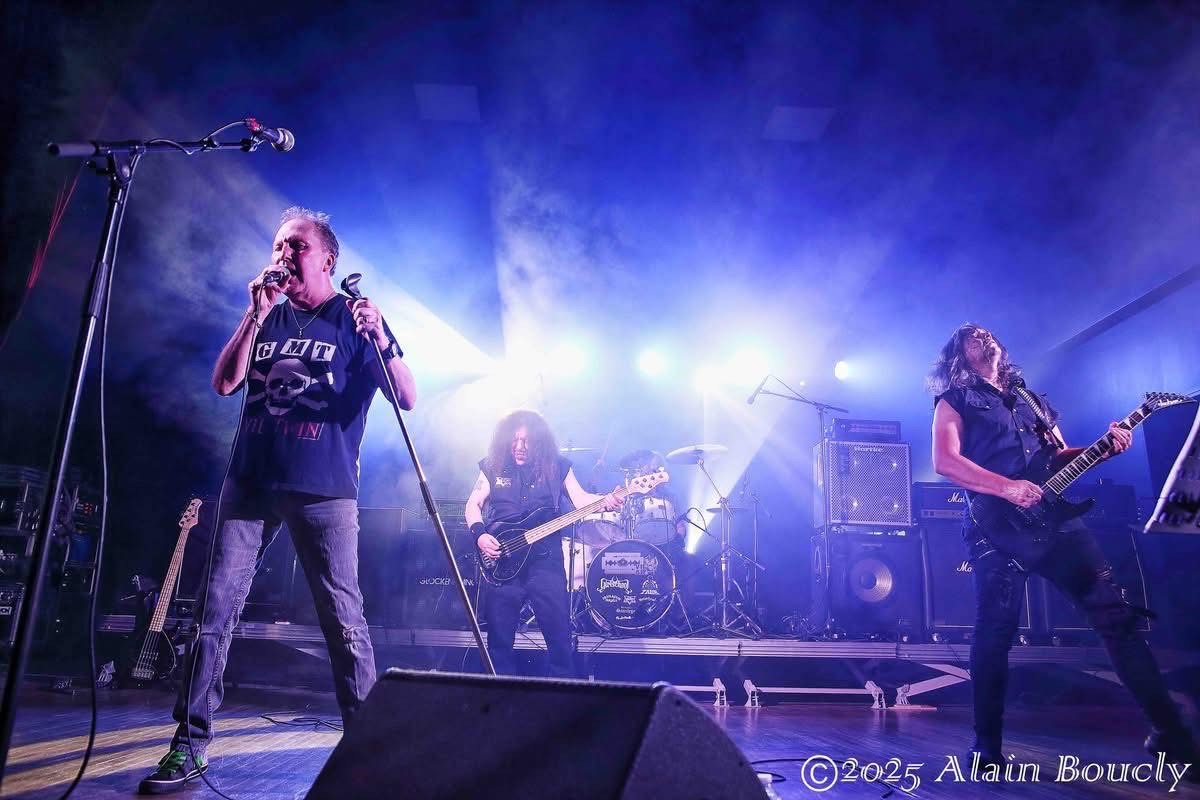
The album carries particular emotional weight as it represents the final production from renowned metal producer Chris Tsangarides, known for his work with icons like Judas Priest, King Diamond, and Yngwie Malmsteen. Completed shortly before his passing in 2017, the mixes were later rediscovered and finally mastered in 2025 by acclaimed engineer Maor Appelbaum. The result is a production that feels both classic and powerful—thick guitars, punchy drums, and a sense of controlled aggression that reflects Tsangarides’ signature approach. The current lineup—bassist Baz Nicholls, guitarist Peter Welsh, drummer Steve Rix, and vocalist Mike Freeland—deliver a seasoned performance throughout the ten-track record. The opening track, “Hearts on Fire,” sets the tone with dramatic intensity, tackling the fight against cancer with lyrics that emphasise resilience and hope. Musically, it combines soaring vocals with crushing riffs, immediately pulling listeners into the album’s heavy atmosphere.
Across the record, MORE balance classic NWOBHM aggression with darker tones and expansive songwriting. The guitar work is bold and melodic, the rhythm section drives forward with relentless momentum, and the overall sound feels both nostalgic and revitalised. Tsangarides’ influence is particularly evident in the guitar tones and layered production, giving the album a sense of depth while maintaining the raw edge fans expect from traditional heavy metal. More than four decades after their formation, MORE prove they are far from a relic of the past. Destructor feels like a long-awaited chapter finally revealed—both a tribute to Tsangarides’ legacy and a declaration that the band still has something to say in today’s metal landscape. For long-time followers of the New Wave of British Heavy Metal, the album feels like a homecoming. For new listeners, it stands as a reminder that the spirit of classic metal is still alive, loud, and unapologetically powerful.
About the Author





 English