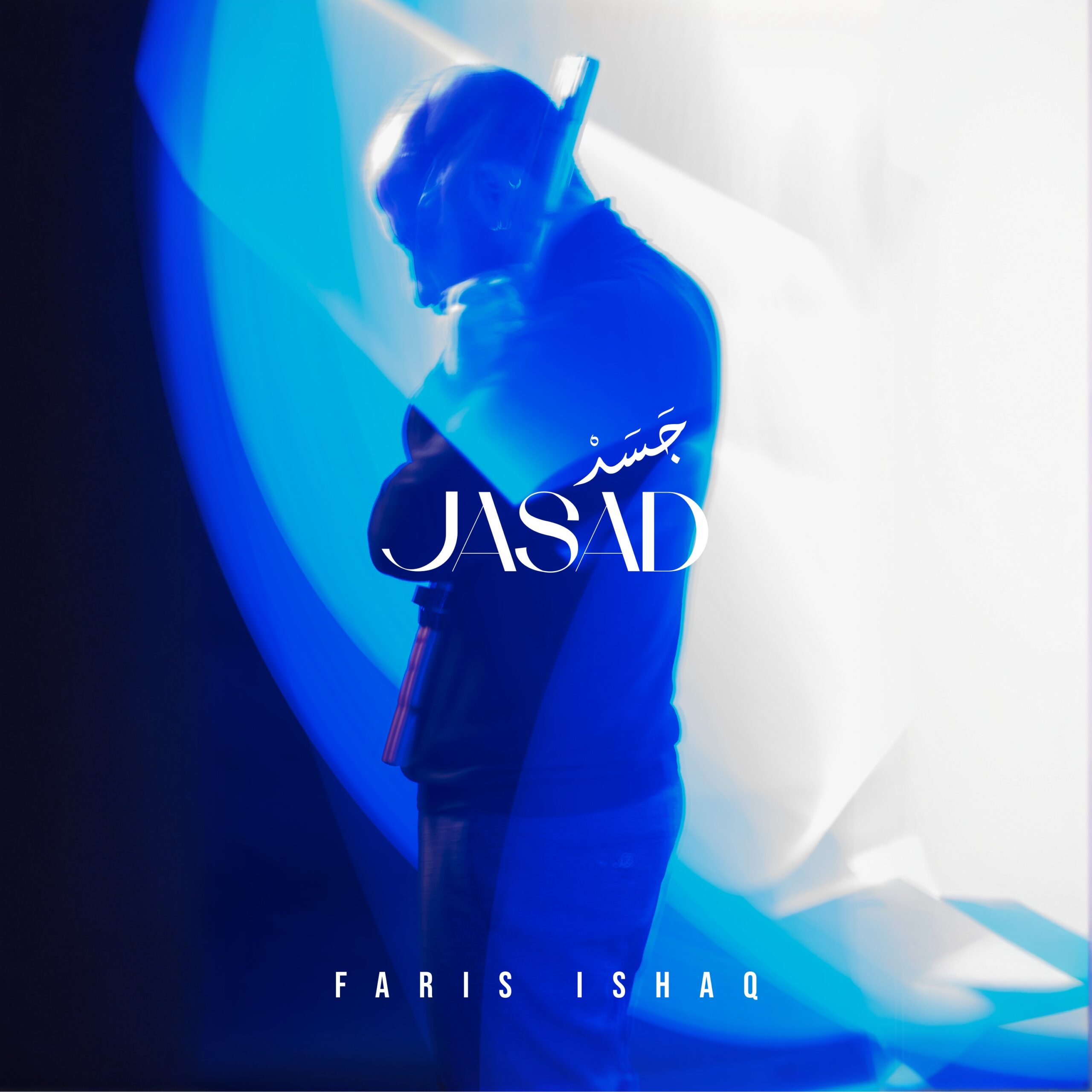
There is something profoundly moving about Faris Ishaq’s JASAD جَسَد. In an era where musical boundaries continue to blur, the Bethlehem-born Palestinian musician offers an album that feels deeply rooted in tradition while simultaneously reaching toward the future. Built around the haunting voice of the nay—one of the world’s oldest wind instruments—JASAD is less a collection of songs than an immersive meditation on memory, identity, and the expressive power of breath itself. Faris Ishaq has steadily established himself as one of the leading contemporary ambassadors of the nay, blending centuries-old Middle Eastern musical traditions with the spontaneity of jazz improvisation and modern compositional techniques. His performances have captivated audiences from renowned concert halls to international jazz festivals, and JASAD demonstrates exactly why his artistry continues to gain global recognition. Every note feels intentional, yet wonderfully free, allowing ancient musical language to converse naturally with contemporary sensibilities. Opening with “Ard,” the album immediately establishes its emotional landscape through spacious melodies and subtle rhythmic movement. The title, meaning “Earth,” serves as an appropriate foundation for everything that follows, grounding the listener in a sound that feels both timeless and deeply personal. Ishaq’s mastery of breath control transforms the nay into an instrument capable of extraordinary emotional nuance, with every phrase carrying a remarkable sense of intimacy. “Incense Trail” expands the sonic palette through evocative rhythmic textures and rich modal improvisation, conjuring images of ancient trade routes where cultures, traditions, and stories intertwined. The composition balances contemplative stillness with gentle momentum, highlighting Ishaq’s gift for creating cinematic musical narratives without relying on words.
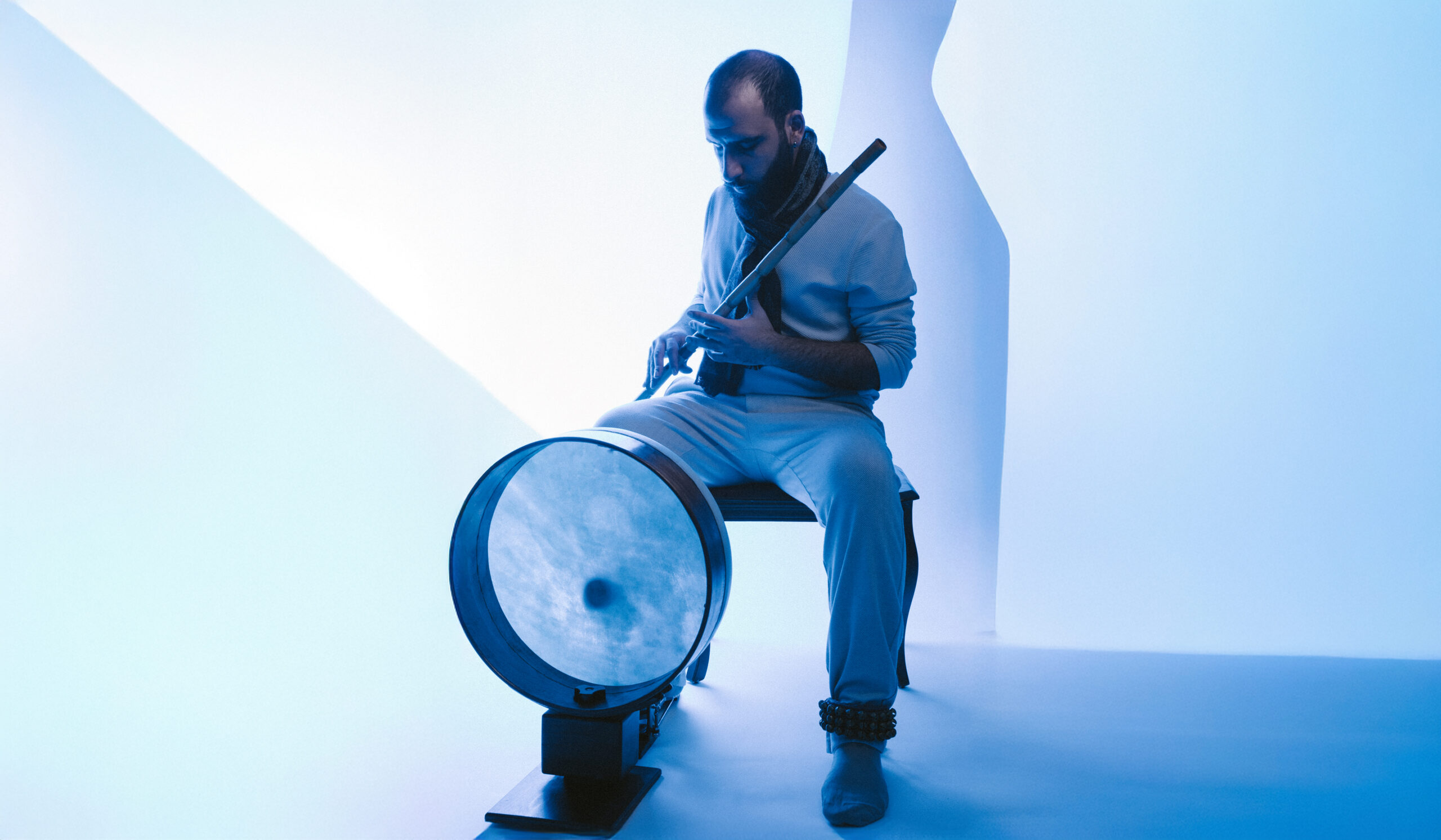
One of the album’s most striking moments arrives with “Carved,” where intricate melodic phrasing mirrors the careful precision suggested by its title. The performance demonstrates remarkable technical control while remaining emotionally accessible, proving that virtuosity is most compelling when it serves the music rather than overshadowing it. “Fragments” embraces a more introspective atmosphere, allowing silence and space to become as expressive as the notes themselves. Here, Ishaq’s background in jazz improvisation shines, as melodies emerge organically before dissolving into moments of quiet reflection. It is music that rewards patience, revealing new emotional layers with every listen. Perhaps the album’s boldest reinterpretation comes through “My Favourite Things.” Rather than simply covering the Rodgers and Hammerstein classic, Ishaq reimagines it through the lens of Arabic musical traditions and the distinctive voice of the nay. The familiar melody takes on an entirely new emotional character, demonstrating both respect for the original and the limitless possibilities of cross-cultural interpretation. The gentle beauty of “Sukon” provides one of the album’s most peaceful moments. Translating to a sense of stillness and calm, the composition unfolds with graceful restraint, allowing listeners to fully appreciate the natural resonance of the instrument and the subtle interplay between melody and rhythm.
Closing with “Twilight,” JASAD arrives at a fitting conclusion that feels both reflective and hopeful. The piece gathers together many of the album’s recurring emotional themes, leaving listeners with a lingering sense of serenity rather than finality. It is an ending that invites immediate return to the beginning, making the album feel beautifully cyclical. Throughout JASAD, Faris Ishaq demonstrates extraordinary musicianship while never losing sight of emotional storytelling. His ability to transform the nay into an entire sonic landscape is remarkable, supported by rhythmic elements that remain understated yet essential. The result is an album that transcends labels such as world music or jazz, existing instead as a deeply human artistic statement about heritage, exploration, and connection. For listeners unfamiliar with Palestinian music or the expressive possibilities of the nay, JASAD serves as a compelling introduction. For longtime admirers of Faris Ishaq’s work, it represents another significant milestone in an already remarkable career.
“JASAD transforms every breath into poetry, reminding us that the oldest instruments often have the newest stories left to tell.”
Listen & Connect with Faris Ishaq
About the Author




 English