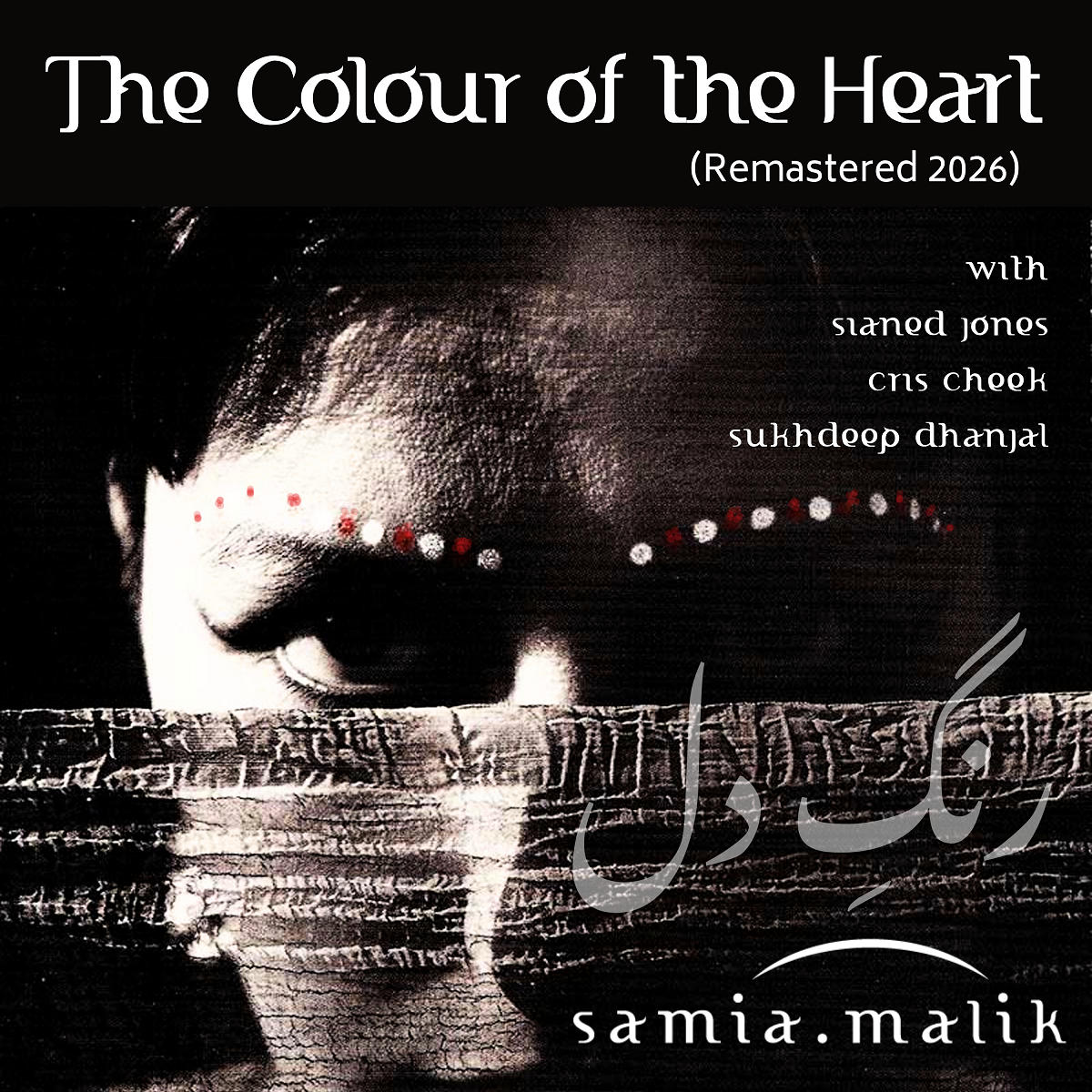
Some albums get more powerful with time not because they’re about the past, but because the issues they deal with are still very much with us. Samia Malik’s The Colour of the Heart (originally released in 1998) is getting a brand new remastered version in 2026 and it’s a case in point. It’s a magnificent body of work which is all about identity, belonging, resilience and the pursuit of freedom. Samia is a bilingual singer songwriter (in Urdu and English) whose life has been lived between two cultures and she grew up in Bradford after her family moved from Pakistan. The racism, the alienation, the sense of not quite belonging that she experienced as a young person became the very fabric of her music. Rather than be silenced by that experience, she turned it into poetry and song and discovered a voice of her own through which to explore these very real issues. The album was recorded with her first touring band Garam Masala and it’s a masterclass in the blending of the expressive forms of Urdu poetry and the ghazal with her own modern songwriting. It’s intensely personal music but the themes are so much more than that. It’s music which speaks to anyone who’s ever felt like they were caught between two worlds, between two sets of expectations and two conflicting definitions of what it means to be themselves.
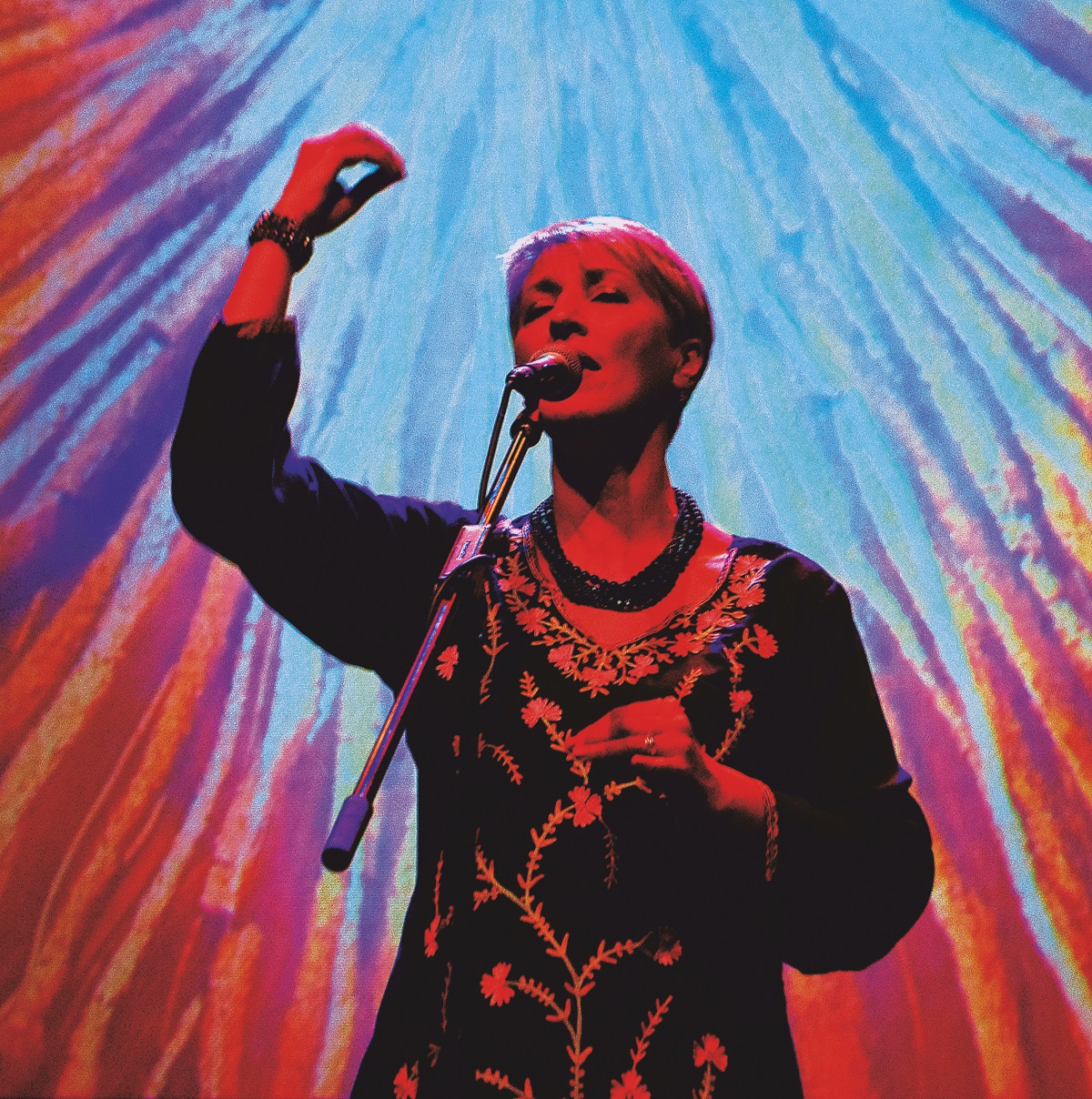
Right at the core of the album are songs that are absolutely unflinching in their honesty and strength. “Ma Ki Zabaan” (Mothertongue) is all about Malik’s relationship with Urdu, a language she’d effectively lost and which she then reacquired as a way of re-establishing her connection with her family and her culture. “Kooch Loag” (Some People) is a song about conditional love and the way women are expected to behave in a relationship, posing the question “Have you ever made yourself smaller to be loved?” The album is very much in the tradition of the Urdu poets, with the work of Kishwar Naheed being a particular highlight in the form of “Hum Gunagaar Aurtae” (We Sinful Women). That song is absolutely powerful in its reclamation of a word which has historically been used to shame and control women and which she turns into a statement of strength. For Malik, who married at 17 and left an abusive marriage at 20, that song is very personal. There are other songs too, “Hijurat” (Migration) by Ishrat Aafreen and “Chand Kitna Tunha Hae” (The Moon) by Sara Shagufta to name just two, which add further emotional and poetic depth. “Anticlockwise” is another Naheed song and it’s a celebration of the strength of women whose strength is such that it can’t be broken by those who want to control them. It’s an album that doesn’t flinch from the pain, but is always searching for dignity, for connection and for the possibility of change.
Remastered in 2026 at London’s Old Chocolate Factory by producer Camilo Tirado, The Colour of the Heart is a completely reimagined version of the original recording, without in any way compromising the conviction of the original. It’s also the first release in a new project Azaadi | آزادی | A Journey To Freedom which is a four album project by Malik and which will be supported by the National Lottery and the Arts Council England. The project charts her life and artistic journey through two languages and two cultures. The project as a whole will also include films of her original visual art, online concerts and community workshops with women’s groups. It’s all part of the same ethos of expression and empowerment that runs through this album. Malik has spent her life performing internationally and working with women in refuges and community centres to help them to find their own voice and tell their own story. That is what gives this release such significance. The Colour of the Heart is a powerful reminder of what music can do when it comes from lived experience and when it’s driven by a clear purpose. It was written nearly 30 years ago and the message is just as pertinent today as it was then. The emotion is as real as it ever was and the message of freedom and solidarity is as important as ever.
Web Links
About the Author




 English