“Legends of the Seven Golden Vampires Build a Dreamy World on The Pumphouse of Broken Dreams”
The Legends of the Seven Golden Vampires once again present The Pumphouse of Broken Dreams, a nine-song album in which the dream pop group from Hertfordshire develops the adventurous spirit shown in their first record into a more focused and unified sound. After the release of Psychedelic Soul & Trash Vol.3 in 2024, this new record keeps on investigating the intersection of psychedelic pop, electronic music, trip-hop and alternative rock, although there is now a stronger sense of purpose in the recordings. This degree of improvement is partly due to the addition of Dutch vocalist Ilse Van Der Linden, whose melodic style adds a sense of warmth and emotional clarity to the band’s typically atmospheric arrangements. In tracks like “To Think To Heal,” “Flying” and “Come Home,” LOTSGV establish a dreamy musical atmosphere in which electronic textures, psychedelic features and catchy melodies can coexist without appearing forced. The end result is an album that has both a nostalgic and a contemporary feel, combining a wide variety of influences while at the same time retaining its own unique character.
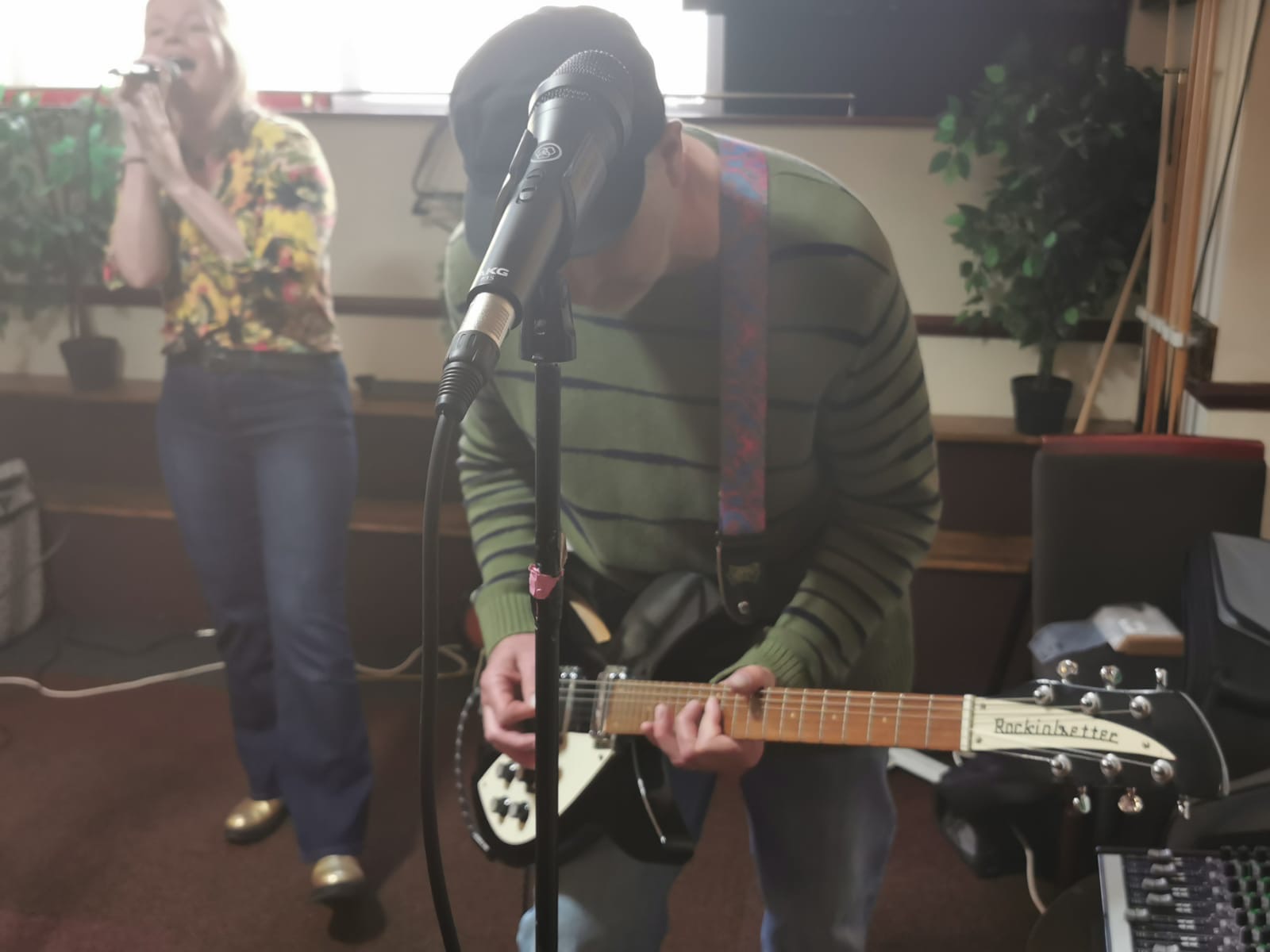
The influences of the album include Radiohead and Portishead as well as Orbital and even Cindy Lauper, and this unusual mix shows a lot about the band’s way of working. The tracks “Lost & Burnt” and “BLEND” give the record an electronic flavour, whereas “Here I Am” and “In My Dreams” move even further towards the more dreamlike aspect of the group’s music. “Hopelessly Devoted To You” introduces another interesting element to the tracklist, and “AIR” offers the band yet another chance to investigate atmosphere and texture. What ties all these different sections together is the production’s capacity to create space around the songs. Instead of sticking strictly to ordinary indie-rock arrangements, Legends of the Seven Golden Vampires appear to be more concerned with building up sonic environments that unfold slowly. Ilse Van Der Linden’s vocals play a significant role in this process by providing a melodic focal point that helps bring the album’s more experimental tendencies together. There is still a degree of unpredictability involved, but in contrast to the deliberately genre-jumping nature of their first album, The Pumphouse of Broken Dreams, this one seems more certain about where it wishes to go.
The background to the album is also one of the reasons why this release is interesting. Taking two years to complete, The Pumphouse of Broken Dreams marks a major step forward for a group whose earlier work had achieved over 150,000 streams, had generated millions of plays on TikTok and had attracted radio support from stations such as BBC 6 Music, Radio X and Absolute Radio. While these figures are helpful for setting the scene, it is the music itself that really makes this project worthwhile. There is clearly a sense of progression in the way LOTSGV have tackled their second album, progressing from the bold experimentation displayed on Psychedelic Soul & Trash Vol.3 to a sound that is more cohesive without giving up their readiness to take creative risks. Thanks to its dreamy vocals, electronic atmospheres, psychedelic hues and leftfield pop tendencies, The Pumphouse of Broken Dreams comes across as an album meant to be listened to more than once. It is strange yet not difficult to access, melodic but not predictable, and atmospheric enough to establish its own world. The upcoming acoustic UK tour will provide another way of experiencing these songs, but in the recorded form, Legends of the Seven Golden Vampires have established a convincing dream-pop scene that is very much their own.
The world created by Legends of the Seven Golden Vampires is strange and beautiful because it combines psychedelic colours, an electronic atmosphere and melodic songwriting, and although it feels familiar it is impossible to fully pin down.
About the Author



 English