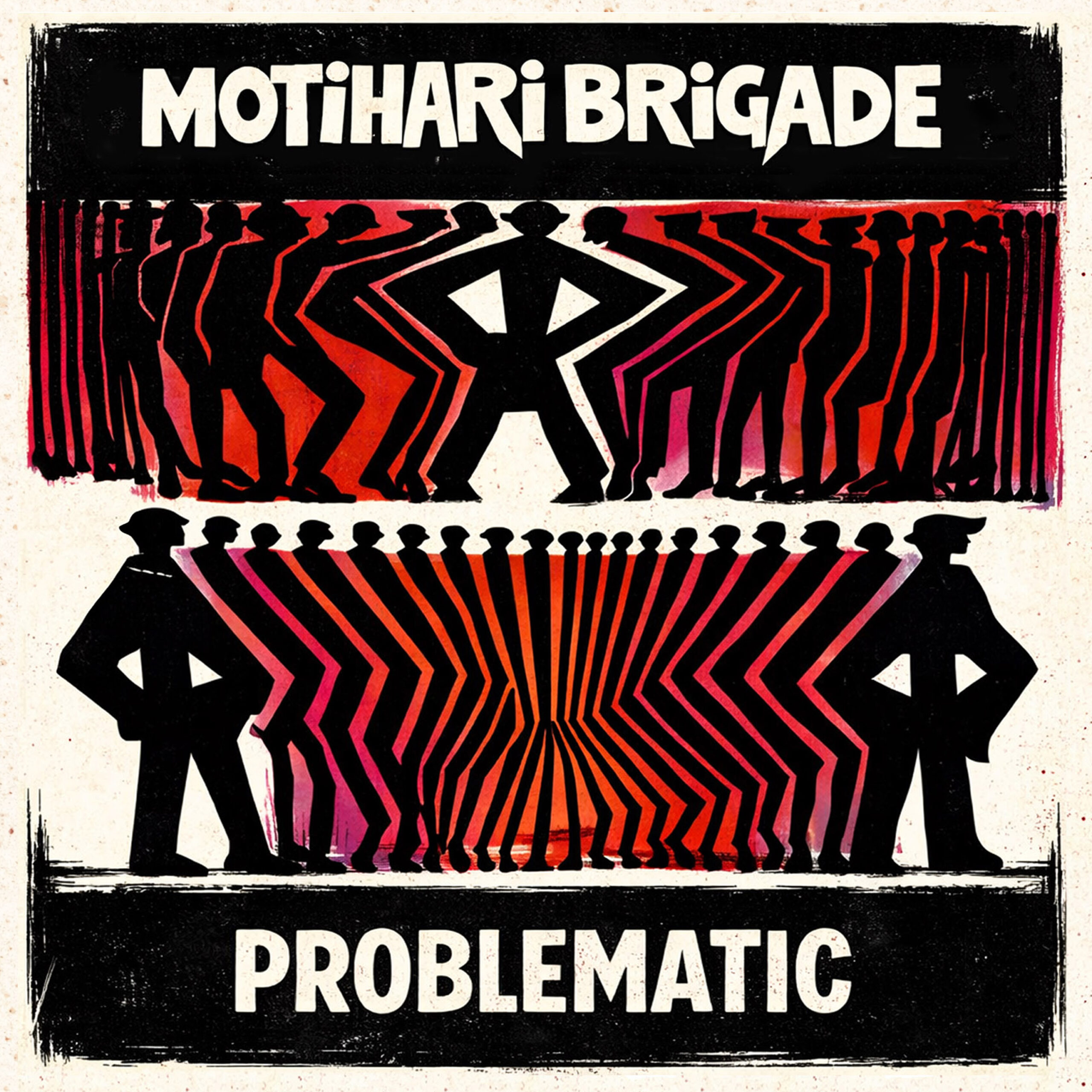
At a time when much of modern rock favors escapism over confrontation, Motihari Brigade charges headfirst into uncomfortable territory with Problematic. The band’s third studio album is an ambitious, concept-driven work that blends classic rock, punk attitude, and thought-provoking lyricism into what they aptly describe as “Rock-n-Roll Thoughtcrime.” Rather than offering easy answers, the album invites listeners to question the narratives surrounding technology, censorship, propaganda, artificial intelligence, and modern society. Released on George Orwell’s birthday—a fitting tribute to the band’s philosophical inspiration—Problematic is unapologetically bold. Frontman, guitarist, and songwriter Eric Winston constructs a record that wears its literary influences proudly while remaining rooted in gritty, guitar-driven rock.
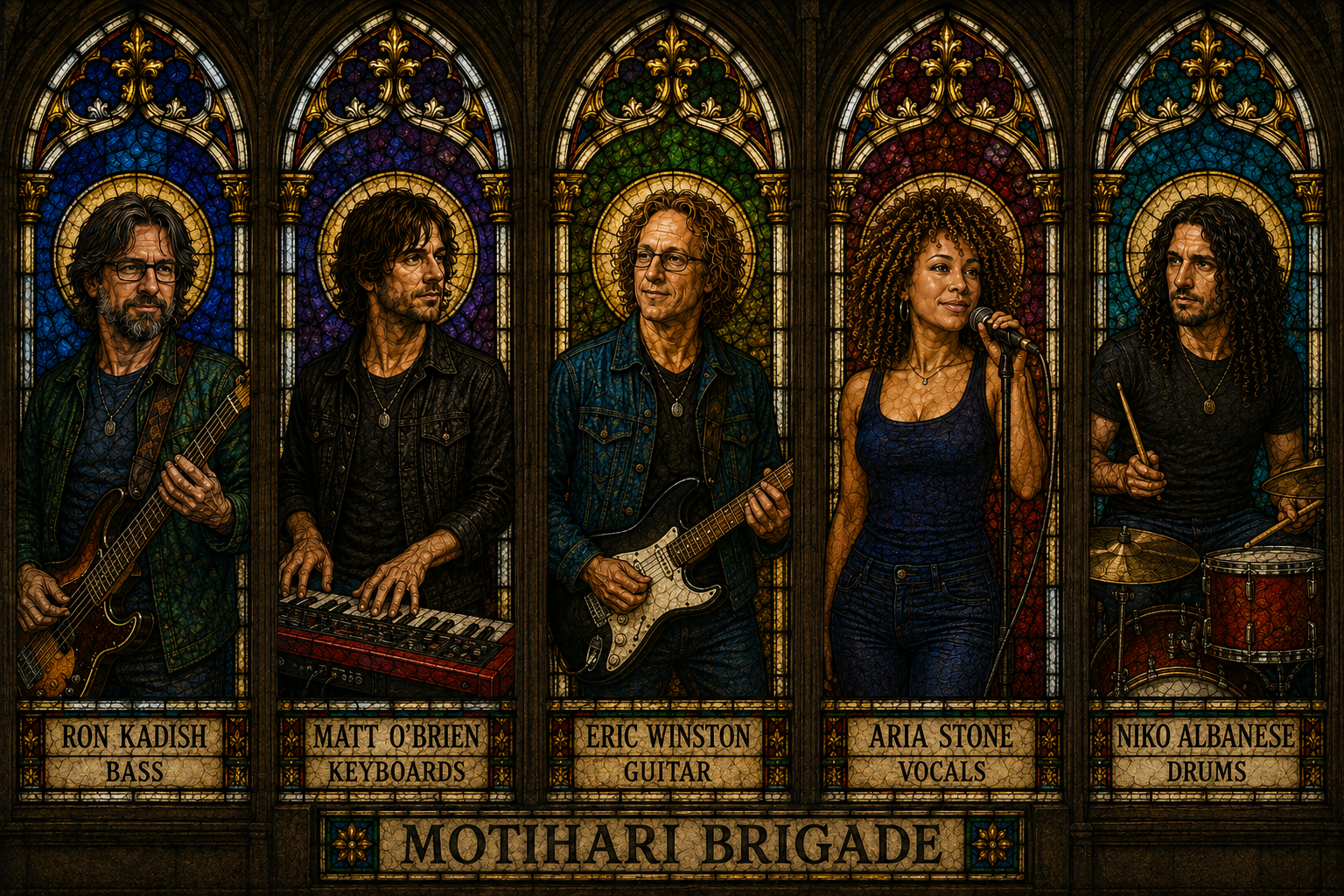
The opening instrumental, “Cowboy Armageddon,” sets an ominous cinematic tone before seamlessly introducing the title track, “Problematic.” The latter establishes the album’s central message with muscular guitar riffs, memorable hooks, and lyrics that encourage skepticism in an increasingly algorithm-driven world. One of the album’s standout moments is “Chatbot Don’t Like It,” a clever and energetic critique of artificial intelligence and digital conformity. Blending playful satire with infectious rock energy, the track showcases the band’s sharp wit without sacrificing musical momentum. “Save Ourselves” offers one of the album’s most emotionally resonant performances. Beneath its driving guitars lies a sincere reflection on personal responsibility in a fractured society, making it one of the record’s strongest lyrical achievements. The reflective “Not What They Seem” continues the philosophical exploration, encouraging listeners to challenge appearances and accepted truths. Its darker atmosphere provides an effective transition into the album’s more expansive second half. Among the most ambitious pieces is “The Hubris March,” represented through “Heedless of the Storm” and “Ten Years Time.” Functioning as a mini rock opera, the suite examines the recurring cycle of conflict and its devastating consequences. Creative production techniques, including dramatic guitar textures and layered arrangements, give these tracks an almost cinematic scope. Motihari Brigade’s cover of Creedence Clearwater Revival’s “Fortunate Son” is both respectful and purposeful. Rather than serving as simple nostalgia, it reinforces the album’s broader commentary on power, privilege, and militarism while injecting fresh energy into a timeless protest anthem.
Later tracks such as “Pleasure Craft” cleverly explore modern distractions and society’s addiction to convenience, contrasting upbeat grooves with cautionary themes. The brief “Problematic (Reprise)” effectively revisits the album’s central philosophy before “Someone’s Dream” closes the record on a reflective and atmospheric note, leaving listeners with lingering questions rather than easy conclusions. Problematic draws inspiration from classic hard rock, garage rock, punk, and alternative rock without sounding derivative. Eric Winston’s expressive guitar work remains the album’s driving force, balancing aggressive riffs with melodic passages that give each song its own identity. The production embraces a raw, organic feel that complements the band’s commitment to authentic musicianship. What distinguishes Problematic is its willingness to engage listeners intellectually while still delivering an entertaining rock record. Even those who may not agree with every perspective presented can appreciate the craftsmanship, conviction, and fearless creativity behind the project. Rather than simply reviving the spirit of classic protest rock, Motihari Brigade adapts it for a new era shaped by algorithms, artificial intelligence, and information overload. Problematic is a challenging, energetic, and surprisingly thoughtful album that encourages audiences to think critically without ever forgetting the power of a great guitar riff.
About the Author


 English