Motihari Brigade continue their mission of delivering what they call “Rock-n-Roll Thoughtcrime” with The Great Refusal, a provocative and timely single that serves as another preview of their upcoming album Problematic. Built around a razor-sharp guitar riff, a nimble bassline, and pounding drums, the track channels classic rock energy into a modern conversation about artificial intelligence, digital conformity, and the growing tension between technological convenience and human autonomy.

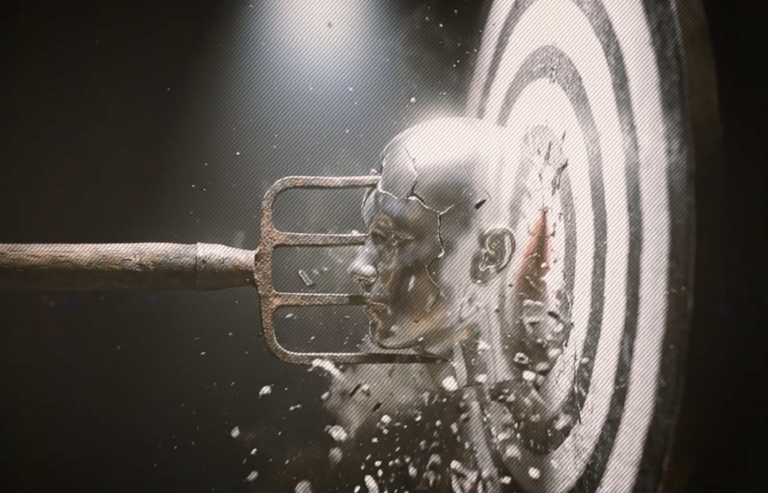
The Great Refusal tackles the anxieties surrounding AI with a mixture of skepticism, satire, and philosophical inquiry. Rather than presenting simple answers, Motihari Brigade challenge listeners to question the narratives shaping contemporary life. The song’s central refrain, “The Great Refusal is upon us,” lands as both a warning and a rallying cry, capturing the band’s fascination with independent thought and resistance to algorithm-driven culture. The result is a track that feels simultaneously urgent, rebellious, and surprisingly reflective. What makes the release particularly compelling is its willingness to embrace contradiction. While cautioning against the influence of artificial intelligence, the band simultaneously incorporates AI-related themes into its promotional materials and accompanying lyric video, creating a self-aware commentary on the very technologies under scrutiny. This tension gives the song an added layer of depth, inviting discussion rather than demanding agreement.
the single balances accessibility with substance. The driving rock arrangement recalls the spirit of classic guitar bands while maintaining a contemporary edge, allowing the message to remain front and center without sacrificing momentum. Fans of thoughtful alternative rock will appreciate the band’s ability to combine social commentary with memorable hooks and energetic performances. As anticipation builds for Problematic, The Great Refusal offers a compelling glimpse into an album focused on censorship, propaganda, militarism, and the future relationship between humanity and technology. Whether listeners embrace its arguments or challenge them, the song succeeds in sparking the kind of conversation that much modern music avoids. In an era increasingly shaped by automation and curated digital experiences, Motihari Brigade make a persuasive case for keeping curiosity alive and continuing to ask difficult questions.
About the Author




 English