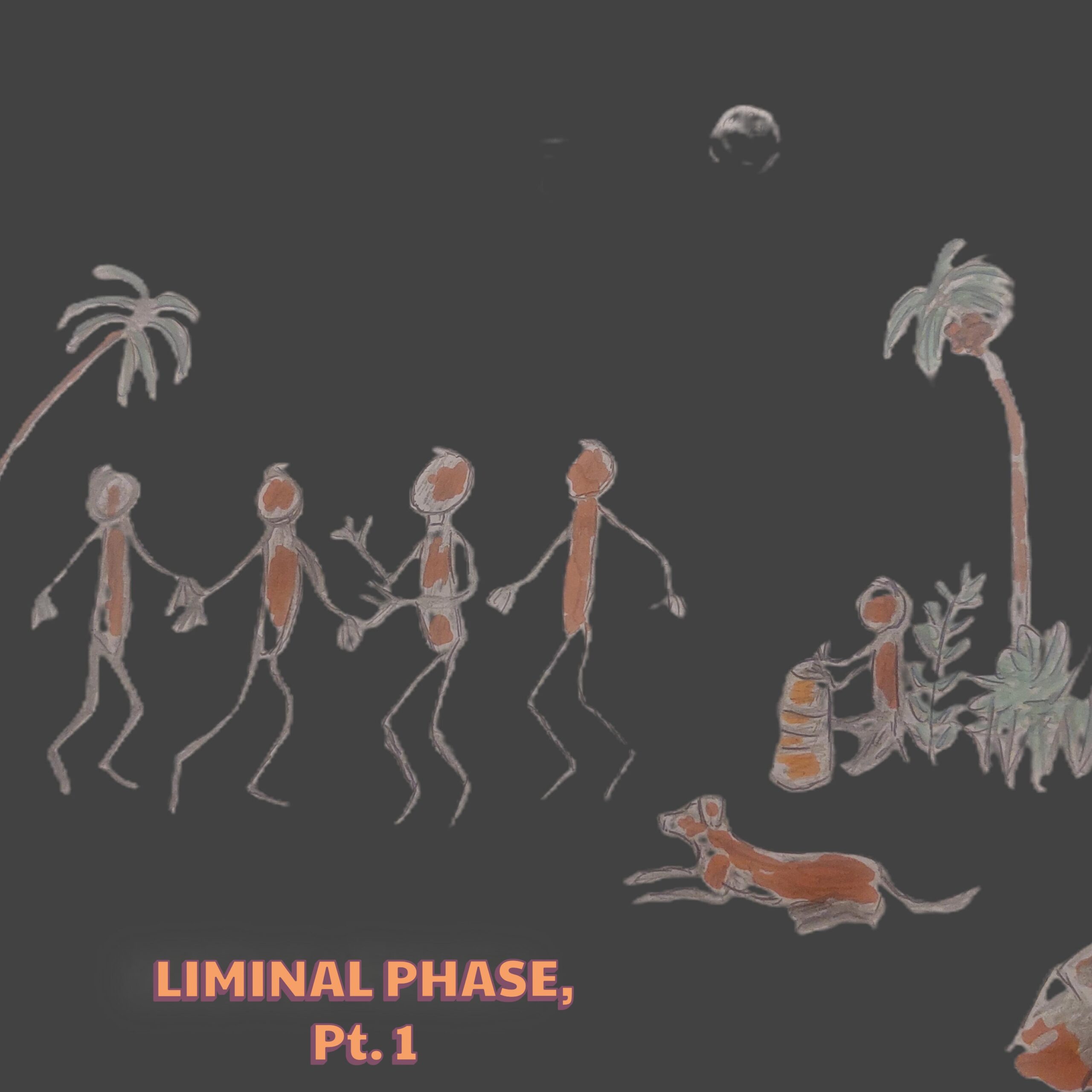
In an era where much of techno is engineered for instant impact, Vase* Hagakure 13) takes a different route with Liminal Phase, Pt. 1. Released on April 29, 2026, the single feels less like a conventional club track and more like a ritualistic exploration of music’s deeper purpose—its ability to connect, elevate, and transform. Drawing from decades of experience spanning East London’s underground free-party movement and more than thirty years of classical music study, Vase* Hagakure 13) brings a rare perspective to contemporary techno. That background is evident throughout the track, which merges the hypnotic repetition of Detroit minimalism with a broader sense of musicality and atmosphere.
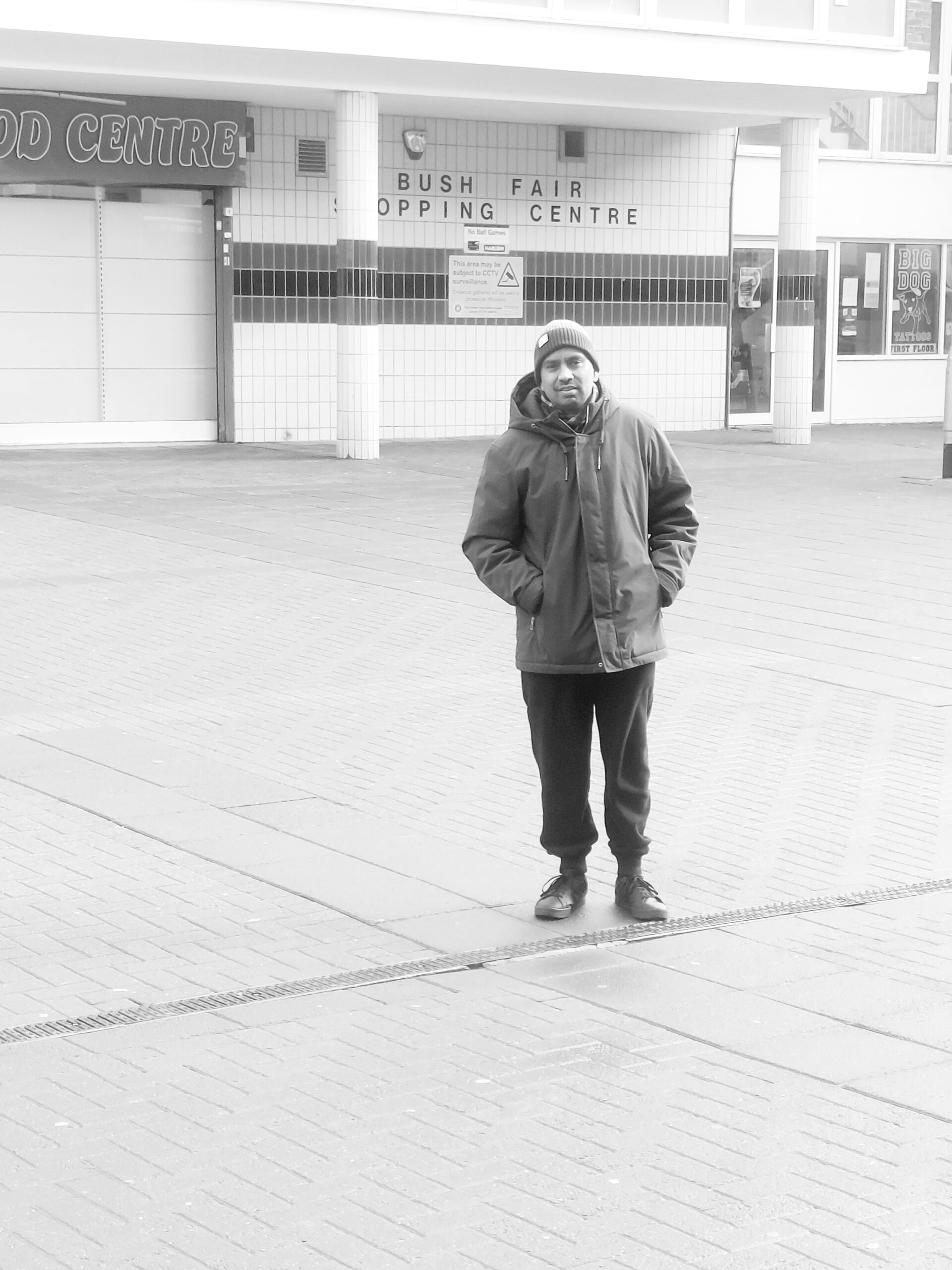
At its core, Liminal Phase, Pt. 1 examines humanity’s ancient relationship with rhythm and sound. Rather than relying on predictable drops or festival-sized crescendos, the track unfolds patiently, allowing layers of percussion, texture, and subtle harmonic movement to gradually build a state of immersion. The result is music that feels equally suited to a dark dancefloor, a late-night headphone session, or a moment of introspection. Listeners familiar with the work of Jeff Mills, Robert Hood, and Terrence Dixon will recognize some spiritual connections, particularly in the track’s minimalist architecture and refusal to follow obvious formulas. Yet Vase* Hagakure 13) avoids imitation, instead using those influences as a foundation for something more personal and contemporary.
Recorded at Medway Studios with engineer Jesse Skeens, the production strikes an impressive balance between analogue warmth and digital precision. The mix breathes naturally, allowing every rhythmic element to occupy its own space while maintaining a cohesive sense of momentum. This attention to sonic detail gives the track an organic quality often absent from modern electronic productions. What makes Liminal Phase, Pt. 1 particularly compelling is its conceptual ambition. Created as a response to increasingly polarized social and political climates, the music seeks transcendence rather than confrontation. Instead of offering commentary through words, it communicates through atmosphere and movement, suggesting that shared musical experiences can still provide a sense of unity amid division. The track’s greatest strength lies in its patience. It trusts the listener to engage deeply rather than chasing immediate gratification. In doing so, it recalls techno’s original function as both dance music and a vehicle for altered states of consciousness.
Follow Vase* Hagakure 13)
About the Author



 English